微信读书书城
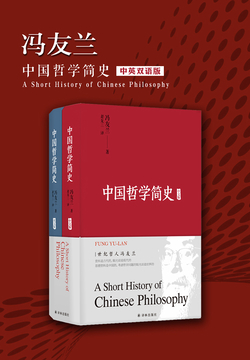
中国哲学简史(中英双语)
首页
我的书架
登录
本书已下架
内容不再支持阅读
目录
Ai 问书
笔记
开启书友想法
上下滚动阅读
字号
浅色
中国哲学简史(中英双语)
冯友兰
扉页
版权信息
+
书签
自序
第一章 中国哲学的精神
哲学在中国文化中的地位
中国哲学的精神和问题
中国哲学家表达自己思想的方式
语言障碍
第二章 中国哲学的背景
中华民族的地理环境
中华民族的经济背景
《上农》——农业的价值
“反者道之动”
对自然的理想化
家族制度
入世和出世
中国艺术与诗歌
中国哲学的方法论
海洋国家和大陆国家
中国哲学中的“常”与“变”
第三章 诸子的由来
司马谈和六家
刘歆和他关于各家缘起的理论
对刘歆理论的修正
第四章 孔子:第一位教师
孔子与六经
作为教育家的孔子
正名
仁义
忠恕
知命
孔子的心灵修养
孔子在中国历史上的地位
第五章 墨子:孔子的第一位反对者
墨家的社会背景
墨子对儒家的批判
兼爱
天志和明鬼
一个看似表里不一的问题
国家的起源
第六章 道家的第一阶段:杨朱
早期道家与隐者
杨朱的基本思想
杨朱思想举例
老庄著作中的杨朱思想
道家思想的发展
第七章 儒家的理想主义流派:孟子
性善说
论儒家与墨家的基本不同点
政治哲学
神秘主义
第八章 名家
名家和“辩者”
惠施关于事物相对性的理论
公孙龙关于共相的学说
惠施和公孙龙学说的意义
第九章 道家的第二阶段:老子
老子其人和《老子》其书
道,无名
自然的不变规律
为人处世
政治理论
第十章 道家的第三阶段:庄子
庄子其人和《庄子》其书
得到相对快乐的途径
政治与社会哲学
感情和理性
达到至乐的途径
有限的观点
更高层次的观点
更高层次的知识
神秘主义的方法论
第十一章 后期的墨家
关于知识和名的讨论
关于“辩”的讨论
澄清兼爱说
为“兼爱”辩
对其他学派的批判
第十二章 阴阳家和中国早期的宇宙发生论
六种术数
《洪范》所描述的五行
《月令》
邹衍
历史哲学
“易传”中描述的阴阳原则
第十三章 儒家的现实主义流派:荀子
人的地位
关于人性的学说
道德的根源
关于礼乐的学说
关于逻辑的理论
论其他学派的谬误
第十四章 韩非子与法家
法家的社会背景
韩非子,法家的集大成者
法家的历史哲学
治国之道
法家与道家
法家与儒家
第十五章 儒家的形而上学
事物之“理”
万物生成之“道”
万物变易之“道”
“中”与“和”
“庸”与“常”
从启蒙到止于至善:明与诚
第十六章 治国平天下的哲学主张
秦朝统一中国前的中国政治情况
中国的统一
《大学》
《荀子》中的折中倾向
《庄子》中的折中倾向
司马谈和刘歆的折中主义思想
第十七章 汉帝国的理论家:董仲舒
阴阳家和儒家的合流
对宇宙本体的理论
人性的学说
社会伦理学说
政治哲学
历史哲学
对《春秋》的解释
社会进步的三个阶段
第十八章 儒家兴盛和道家再起
思想的统一
孔子在汉代思想界的地位
汉代经学中古文学派和今文学派之争
扬雄和王充
道家与佛家
政治和社会背景
第十九章 新道家:崇尚理性的玄学
名家再次引起人们的兴趣
对孔子的重新诠释
向秀和郭象
道是“无”
万物的“独化”
典制与道德
有为与无为
知识与模仿
齐万物
终极的自由与快乐
第二十章 新道家:豁达率性的风格
风流与浪漫精神
“杨朱的乐园”
率性的生活
感情
情爱
第二十一章 中国佛学的基础
佛教的传入及其在中国的发展
佛学的一般概念
二谛义
僧肇的哲学
道生的哲学
第二十二章 禅宗:潜默的哲学
禅宗起源的旧说
第一义不可说
修禅的方法
顿悟
无成之功
第二十三章 更新的儒家:宇宙论者
韩愈和李翱
周敦颐的宇宙论
精神修养的方法
邵雍的宇宙论
事物演化的规律
张载的宇宙论
第二十四章 更新的儒家:两个学派的开端
程颢对“仁”的认识
程朱的“理”的观念的来源
程颐的“理”的观念
陶冶感情的方法
寻孔颜乐处
第二十五章 更新的儒学:主张柏拉图式理念的理学
朱熹在中国历史上的地位
“理”或原理
太极
“气”
性和心
政治哲学
修心养性的方法
第二十六章 更新的儒学中的另一派:宇宙心学
陆九渊论心
王守仁的宇宙观
“明德”
良知——来自直觉的认识
“正事”
“用敬”
对佛学的批评
第二十七章 西方哲学的传入
反对更新的儒学的思潮
孔教运动
西方思想的传入
西方哲学的传入
第二十八章 厕身现代世界的中国哲学
哲学家和哲学史家
抗日战争时期的哲学耕耘
哲学的性质
人生的境界
形而上学中的方法论
英文版编者引言
译后记
AUTHOR S PREFACE
CHAPTER 1 THE SPIRIT OF CHINESE PHILOSOPHY
Place of Philosophy in Chinese Civilization
Problem and Spirit of Chinese Philosophy
The Way in which Chinese Philosophers Expressed Themselves
The Language Barrier
CHAPTER 2 THE BACKGROUND OF CHINESE PHILOSOPHY
Geographic Background of the Chinese People
Economic Background of the Chinese People
Value of Agriculture
“Reversal Is the Movement of Ta o”
Idealization of Nature
Family System
This-worldliness and Other-worldliness
Chinese Art and Poetry
The Methodology of Chinese Philosophy
Maritime Countries and Continental Countries
The Permanent and the Changeable in Chinese Philosophy
CHAPTER 3 THE ORIGIN OF THE SCHOOLS
Ssu-ma T an and the Six Schools
Ssu-ma T'an and the Six Schools
Liu Hsin and His Theory of the Beginning of the Schools
A Revision of Liu Hsin s Theory
CHAPTER 4 CONFUCIUS, THE FIRST TEACHER
Confucius and the Six Classics
Confucius as an Educator
The Rectification of Names
Human-heartedness and Righteousness
Knowing Ming
Confucius Spiritual Development
Confucius Position in Chinese History
CHAPTER 5 MO TZU, THE FIRST OPPONENT OF CONFUCIUS
Social Background of the Mohist School
Mo Tzu s Criticism of Confucianism
All-embracing Love
The Will of God and Existence of Spirits
A Seeming Inconsistency
Origin of the State
CHAPTER 6 THE FIRST PHASE OF TAOISM:YANG CHU
The Early Taoists and the Recluses
Yang Chu s Fundamental Ideas
Illustrations of Yang Chu s Ideas
Yang Chu s Ideas as Expressed in the Lao-tzu and Chuang-tzu
Development of Taoism
CHAPTER 7 THE IDEALISTIC WING OF CONFUCIANISM: MENCIUS
The Goodness of Human Nature
Fundamental Difference between Confucianism and Mohism
Political Philosophy
Mysticism
CHAPTER 8 THE SCHOOL OF NAMES
The School of Names and the “Debaters”
Hui Shih s Theory of Relativity
Kung-sun Lung s Theory of Universals
Significance of the Theories of Hui Shih and Kung-sun Lung
CHAPTER 9 THE SECOND PHASE OF TAOISM:LAO TZU
Lao Tzu the Man and Lao-tzu the Book
The Invariable Law of Nature
Human Conduct
Political Theory
CHAPTER 10 THE THIRD PHASE OF TAOISM:CHUANG TZU
Chuang Tzu the Man and Chuang-tzu the Book
Way of Achieving Relative Happiness
Political and Social Philosophy
Emotion and Reason
Way of Achieving Absolute Happiness
The Finite Point of View
The Higher Point of View
Knowledge of the Higher Level
Methodology of Mysticism
CHAPTER 11 THE LATER MOHISTS
Discussions on Knowledge and Names
Discussions on Dialectic
Clarification of All-embracing Love
Defense of All-embracing Love
Criticsm of Other Schools
CHAPTER 12 THE YIN-YANG SCHOOL AND EARLY CHINESE COSMOGONY
The Six Classes of Occult Arts
The Five Elements as Described in the “Grand Norm”
The “Monthly Commands”
Tsou Yen
A Philosophy of History
The Yin and Yang Principles As Described in the“Appendices”of the Book of Changes
CHAPTER 13 THE REALISTIC WING OF CONFUCIANISM: HSÜN TZU
Position of Man
Theory of Human Nature
Origin of Morality
Theory of Rites and Music
Logical Theories
Fallacies of Other Schools
CHAPTER 14 HAN FEI TZU AND THE LEGALIST SCHOOL
Social Background of the Legalists
Han Fei Tzu, the Synthesizer of the Legalist School
Legalist Philosophy of History
Way of Government
Legalism and Taoism
Legalism and Confucianism
CHAPTER 15 CONFUCIANIST METAPHYSICS
The Principles of Things
The Ta o of the Production of Things
The Ta o of the Transformation of Things
The Mean and Harmony
The Common and the Ordinary
Enlightenment and Perfection
CHAPTER 16 WORLD POLITICS AND WORLD PHILOSOPHY
Political Conditions Preceding the Unification by Ch in
Political Conditions Preceding the Unification by Ch'in
The Unification of China
The Great Learning
Eclectic Tendency in the Hsün-tzu
Eclectic Tendency in the Chuang-tzu
Eclecticism of Ssu-Ma T an and Liu Hsin
Note on the Chinese concept of Nationalism(see p.203)
CHAPTER 17 THEORIZER OF THE HAN EMPIRE:TUNG CHUNG-SHU
The Amalgamation of the Yin-Yang and Confucianist Schools
Cosmological Theory
Theory of Human Nature
Social Ethics
Political Philosophy
Philosophy of History
Interpretation of the Ch un Ch iu
Three Stages of Social Progress
CHAPTER 18 THE ASCENDANCY OF CONFUCIANISM AND REVIVAL OF TAOISM
The Unification of Thought
The Position of Confucius in Han Thought
The Controversy of the Old and New Text Schools
Yang Hsiung and Wang Ch ung
Taoism and Buddhism
Political and Social Background
CHAPTER 19 NEO-TAOISM: THE RATIONALISTS
The Revival of Interest in the School of Names
A Reinterpretation of Confucius
Hsiang Hsiu and Kuo Hsiang
The Ta o is“Nothing”
The “Self-transformation” of Things
Institutions and Morals
Knowledge and Imitation
The Equality of Things
Absolute Freedom and Absolute Happiness
CHAPTER 20 NEO-TAOISM:THE SENTIMENTALISTS
“Yang Chu s Garden of Pleasure”
“Yang Chu's Garden of Pleasure”
Living According to Impulse
The Emotional Factor
The Factor of Sex
CHAPTER 21 THE FOUNDATION OF CHINESE BUDDHISM
Introduction and Development of Buddhism in China
General Concepts of Buddhism
The Theory of Double Truth
Philosophy of Seng-chao
Philosophy of Tao-sheng
CHAPTER 22 CH ANISM: THE PHILOSOPHY OF SILENCE
Traditional Account of the Origin of Ch anism
Traditional Account of the Origin of Ch'anism
The First Principle Is Inexpressible
Method of Cultivation
Sudden Enlightenment
The Attainment of Non-attainment
CHAPTER 23 NEO-CONFUCIANISM:THE COSMOLOGISTS
Han Yü and Li Ao
Cosmology of Chou Tun-yi
Method of Spiritual Cultivation
Cosmology of Shao Yung
Law of the Evolution of Things
Cosmology of Chang Tsai
CHAPTER 24 NEO-CONFUCIANISM: THE BEGINNING OF THE TWO SCHOOLS
Ch eng Hao s Idea of Jen
Ch'eng Hao's Idea of Jen
Origin of the Ch eng-Chu Idea of Li
Ch eng Yi s Concept of Li
Method of Dealing with the Emotions
The Search for Happiness
CHAPTER 25 NEO-CONFUCIANISM: THE SCHOOL OF PLATONIC IDEAS
Position of Chu Hsi in Chinese History
Nature and Mind
Political Philosophy
Method of Spiritual Cultivation
CHAPTER 26 NEO-CONFUCIANISM: THE SCHOOL OF UNIVERSAL MIND
Lu Chiu-yüan s Conception of the Mind
Lu Chiu-yüan's Conception of the Mind
Wang Shou-jen s Conception of the Universe
“The Illustrious Virtue”
Intuitive Knowledge
“The Rectification of Affairs”
Attentiveness of the Mind
Criticism of Buddhism
CHAPTER 27 THE INTRODUCTION OF WESTERN PHILOSOPHY
Reaction Against Neo-Confucianism
Movement for a Confucian Religion
Introduction of Western Thought
Introduction of Western Philosophy
CHAPTER 28 CHINESE PHILOSOPHY IN THE MODERN WORLD
The Philosopher and the Historian of Philosophy
Philosophical Production in Wartime
The Nature of Philosophy
The Spheres of Living
The Methodology of Metaphysics
EDITOR S INTRODUCTION
是否关闭自动购买?
关闭后,阅读到本书未购买章节均需要手动购买确认。
取消
关闭
中国哲学简史(中英双语)
已读到0% · 共0条笔记
你可以在这里记录本书的
想法、划线、书签
点评此书
推荐
一般
不行
书友想法
评论
0
赞
0
暂无评论
发 表
回复
赞
评论详情
发 表
确定删除吗?
取 消
删 除
《中国哲学简史(中英双语)
》
仅支持付费会员使用
微信扫码开通付费会员
仅支持付费会员使用
微信扫码开通付费会员