仅支持付费会员使用
微信扫码开通付费会员
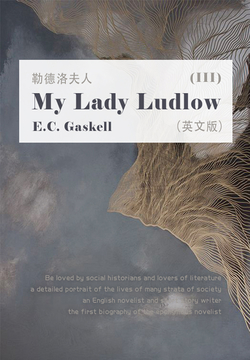
My Lady Ludlow by Elizabeth Gaskell is a long novella. It first appeared in the magazine Household Words in 1858, and was republished in Round the Sofa in 1859, with framing passages added at the start and end. Lady Ludlow is absolute mistress of Hanbury Court and a resolute opponent of anything that might disturb the class system into which she was born. She will keep no servant who can read and write and insists that the lower orders have no rights, but only duties. But the winds of change are blowing through the village of Hanbury. The vicar, Mr. Gray, wishes to start a Sunday school for religious reasons; Mr. Horner wants to educate the citizens for economic reasons. But Lady Ludlow is not as rigid as one may think. This beloved novella offers a fascinating glimpse into the lives of women in the nineteenth century, particularly those who were widowed or unmarried. The lack of legal rights afforded to these women may come as a shock to contemporary readers, but Gaskell addresses the unique challenges they faced -- and often triumphed over -- with grace and keen insight.
My Lady Ludlow by Elizabeth Gaskell is a long novella. It first appeared in the magazine Household Words in 1858, and was republished in Round the Sofa in 1859, with framing passages added at the start and end. Lady Ludlow is absolute mistress of Hanbury Court and a resolute opponent of anything that might disturb the class system into which she was born. She will keep no servant who can read and write and insists that the lower orders have no rights, but only duties. But the winds of change are blowing through the village of Hanbury. The vicar, Mr. Gray, wishes to start a Sunday school for religious reasons; Mr. Horner wants to educate the citizens for economic reasons. But Lady Ludlow is not as rigid as one may think. This beloved novella offers a fascinating glimpse into the lives of women in the nineteenth century, particularly those who were widowed or unmarried. The lack of legal rights afforded to these women may come as a shock to contemporary readers, but Gaskell addresses the unique challenges they faced -- and often triumphed over -- with grace and keen insight.
My Lady Ludlow by Elizabeth Gaskell is a long novella. It first appeared in the magazine Household Words in 1858, and was republished in Round the Sofa in 1859, with framing passages added at the start and end. Lady Ludlow is absolute mistress of Hanbury Court and a resolute opponent of anything that might disturb the class system into which she was born. She will keep no servant who can read and write and insists that the lower orders have no rights, but only duties. But the winds of change are blowing through the village of Hanbury. The vicar, Mr. Gray, wishes to start a Sunday school for religious reasons; Mr. Horner wants to educate the citizens for economic reasons. But Lady Ludlow is not as rigid as one may think. This beloved novella offers a fascinating glimpse into the lives of women in the nineteenth century, particularly those who were widowed or unmarried. The lack of legal rights afforded to these women may come as a shock to contemporary readers, but Gaskell addresses the unique challenges they faced -- and often triumphed over -- with grace and keen insight.